

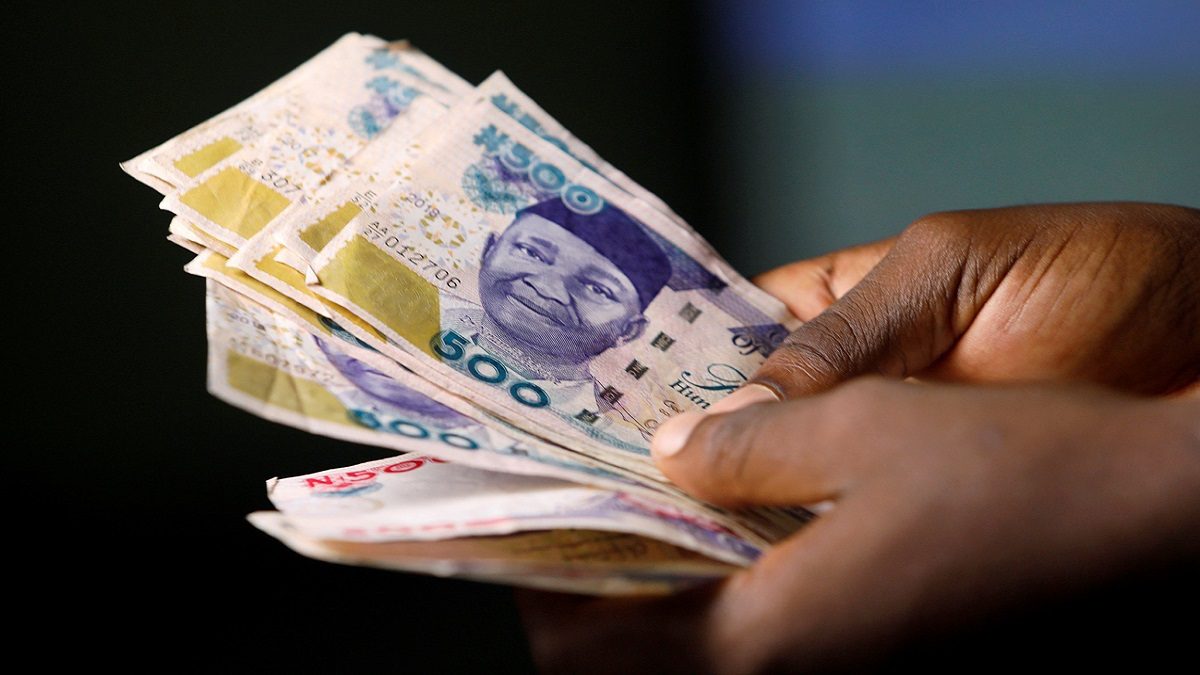
In Nigeria’s dynamic economy, knowing how to save money is one of the most powerful things you can do. It helps you handle financial challenges with clarity and control. Here are 9 practical money-saving tips to help Nigerians navigate the economic pressures of 2024 and build stronger savings:
1. Embrace the Power of Budgeting:
Build a budget that reflects your financial goals, so each kobo has a purpose. Set aside money for essentials like rent, groceries, and utilities, and reserve a portion for savings and investments. Stick to your budget to avoid overspending. A clear budget ensures every naira is accounted for and used well.
2. Automate Your Bills and Your Savings:
Use technology to schedule automatic transfers from your bank account to a high-yield savings or investment account. This hands-free approach keeps savings consistent without the temptation to spend on impulse. You can also automate bills so recurring payments are planned for and settled on time.
Both of these can be done on Lint using the “Create a bill plan” feature. It helps you save ahead of payments, track your finances, cut excess spending, and avoid late fines. It is a simple way to build a long-term savings habit without stress.
3. Embrace Frugality
Cutting unnecessary spending is a solid way to grow your savings. Review your spending habits and find areas where you can spend less without lowering your quality of life. This includes renting a home you can comfortably afford. A good rule of thumb: your rent should be no more than three months’ income.
Consider DIY projects, cooking at home, trimming subscription services, and hunting for discounts to stretch your naira further. Enjoy the small things in life and make every kobo count.
4. Always Negotiate Better Deals & Prices
Do not feel too timid or embarrassed to bargain for better prices on goods and services. Whether it is haggling with sellers and market women or negotiating lower interest rates on loans, treat every naira saved as a victory.
5. Invest in Dollar Assets and High-Yield Investment Options:
Spread your investments by putting some money into dollar-denominated assets. This can cushion you against currency swings and inflation, giving your finances a more stable base. Also consider equities, mutual funds, or real estate to build wealth over time. Do thorough research or speak with a financial professional before making investment decisions. Apps such as cowrywise, risevest, and piggyvest offer such opportunities.
6. Stay Informed and Educated:
Keep up with financial news and economic trends so you can make sound decisions. Follow macroeconomic forecasts, attend seminars, read books, and learn from credible financial experts to grow your knowledge and your money.
7. Cut Down Your Utility Costs:
With the cost of living rising sharply in Nigeria, it is important to find ways to use less energy and water. Some ideas:
– Use energy-efficient appliances and fluorescent bulbs to save on power.
– Turn off lights and appliances when not in use.
– Unplug devices that are fully charged or idle.
– Open curtains and blinds during the day to use natural light and reduce the need for artificial lighting.
– Fix leaky pipes, faucets, or toilets promptly to avoid water waste.
– Collect rainwater in containers to water plants or clean with.
8. Harness Bulk-buying and Original-Purchase:
Buying in bulk saves money on food and household supplies. Look for deals at wholesale outlets or join a cooperative to get discounts on staples. Buying in bulk means you spend less per item than if you bought the same thing in small quantities over time. For example, it costs the average Nigerian N15,000 to buy one carton of 70g indomie containing 40 packs. If the same person bought single 70g packs at the current price of N450, they would spend N18,000 over time for 40 packs. That is N3,000 more than the bulk price. The same logic applies to buying original products. An original item may cost more upfront, but it lasts longer. A fake product may seem cheaper at first, but it wears out or breaks quickly, leading to repair or replacement costs. In the long run, you end up spending more than if you had bought the original to begin with.
9. Cultivate a Mindset of Positivity and Contentment:
Finally, build a mindset that values saving and financial discipline. Think of saving not as going without, but as a deliberate step toward financial freedom. Also remember to enjoy the present as you work toward independence. Find contentment in what surrounds you, knowing that real wealth goes beyond money alone.


Conclusion
Stay motivated and consistent in your savings habits. Every naira saved brings you closer to your financial goals. By applying these 9 money-saving tips, Nigerians can face the economic challenges of 2024 with confidence and resilience. Start saving today and build a brighter financial future for yourself and your loved ones.