
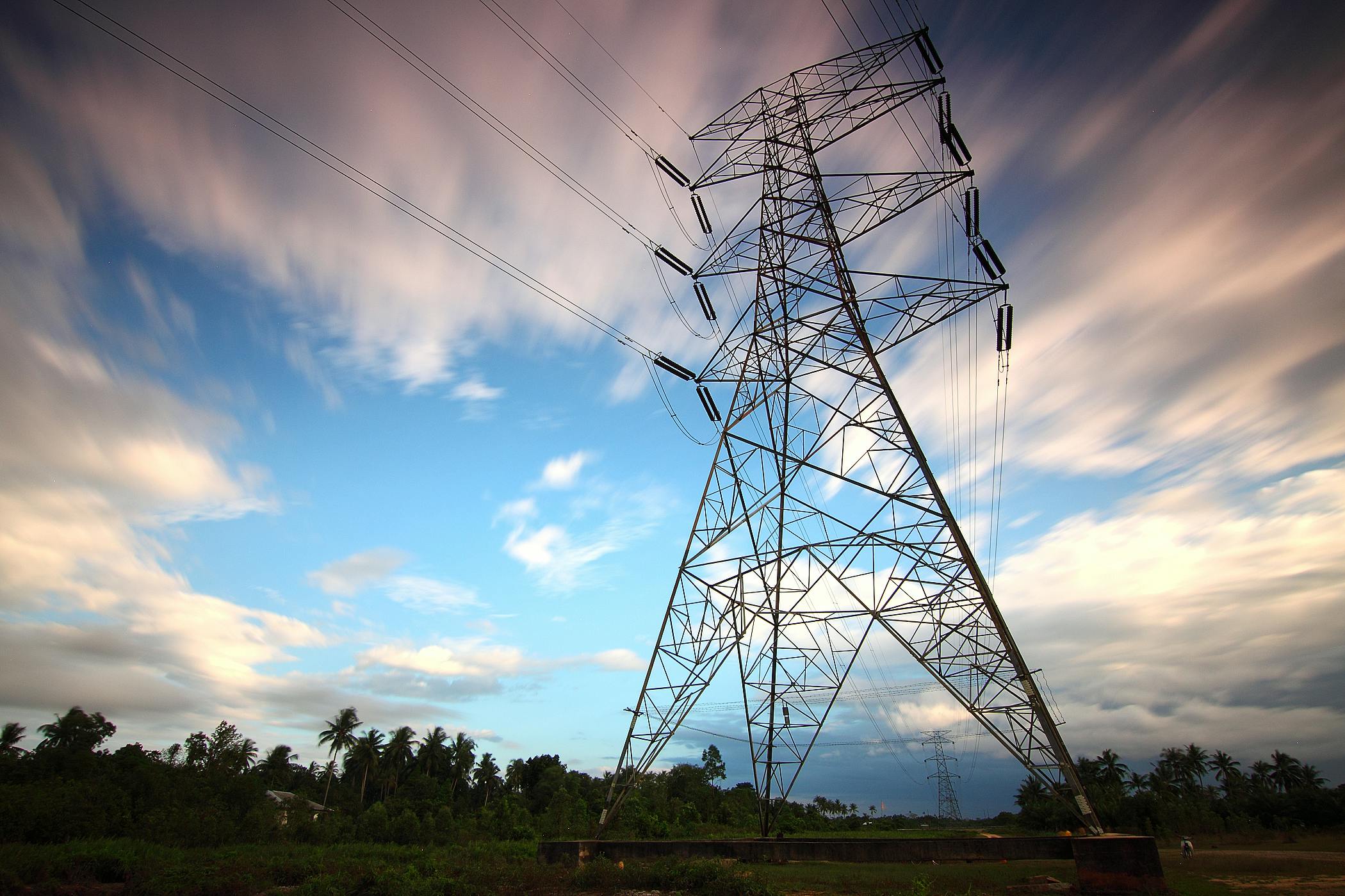
The Nigerian Energy Regulatory Commission (NERC) has announced a 240.9% rise in energy prices for individuals and companies classed as “elite” users. This price surge triples the cost of power for around 15% of the country’s consumers. It is the direct result of the government’s decision to remove subsidies and shift the burden to bigger energy users.
The rate rise mainly targets households and companies in Band A, which have higher power usage. Even so, its effects are expected to spread across all sectors of the economy. As consumers prepare for the financial hit, it helps to take practical steps now to protect your wallet.
Here are some ways to manage rising power costs:
- Conduct an energy audit:
Find the areas where you use the most power and put energy-saving measures in place.
- Be Peak Savvy:
Find out when power is most expensive and plan heavy tasks like laundry and ironing for off-peak hours.
- Adopt Energy-Saving Routines:
Small changes add up. Turn off lights and electronics when not in use. Unplug standby appliances and chargers.
- Invest in Energy-Efficient Appliances:
Energy-efficient appliances cost more upfront, but the long-term savings can be significant. Look for appliances with high energy ratings and replace old, inefficient models that push your electricity bills up.
- Consider Alternative Power Sources:
To cut your reliance on the grid, explore solar power options. Financing options are available to help you make the switch.
- Saving and Budgeting:
Review your budget and find areas to trim so you can cover rising utility bills. With a bill plan, you can save up in small amounts over time and then automate payment when it falls due. Use the link to learn more about how to create a bill plan for electricity bills on Lint. Here’s a testimonial from a user who already does this:
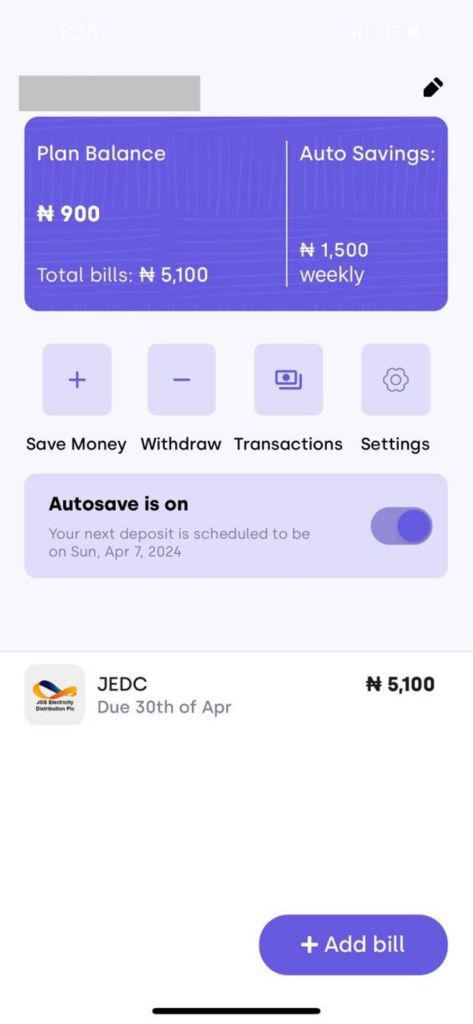
Join the people staying on top of their bills even in tough times.
Download Lint today, your new “mff” (Money Friend Forever)!