
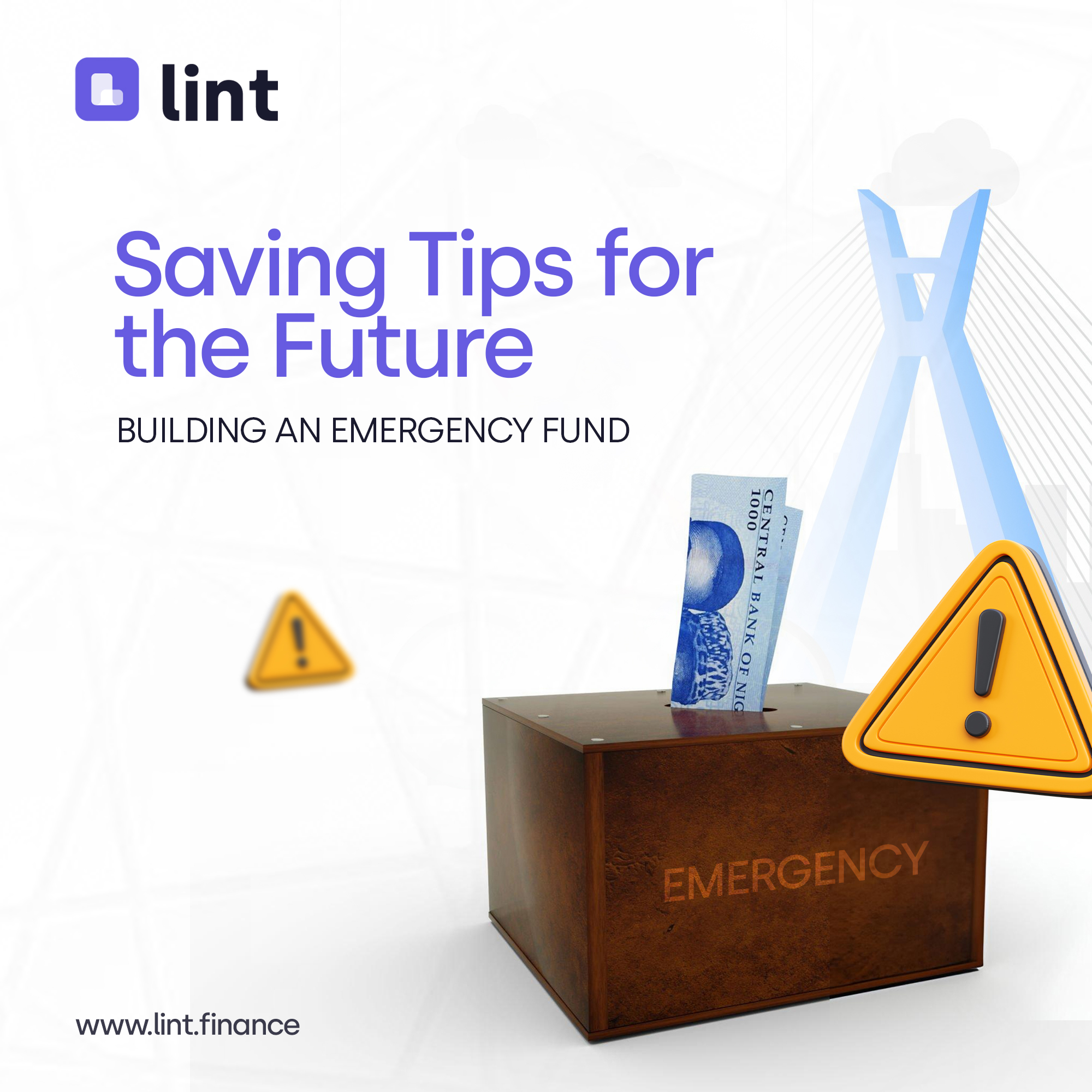
Life is full of surprises. Some are wonderful, but others can put real strain on your finances. That’s why having an emergency fund matters. It’s your financial safety net, ready to catch you when unexpected expenses arrive. A sudden medical bill, car repair, or job loss can happen to anyone. An emergency fund gives you peace of mind and keeps you stable. Here are some practical, easy-to-follow tips for building yours.
Understand the Importance of an Emergency Fund
Before you start building an emergency fund, it helps to know why you need one. An emergency fund:
– Covers unexpected expenses without wrecking your budget.
– Prevents debt by giving you cash when you need it most.
– Offers peace of mind, knowing you have a financial buffer.
Set a Clear Goal
Decide how much you need. A good rule of thumb is three to six months’ worth of living expenses. That covers rent, utilities, groceries, and transport if something goes wrong.
Start Small and Be Consistent
Building an emergency fund can feel overwhelming, but you don’t have to do it all at once. Start with small, manageable amounts. Even saving ₦5,000 a month adds up over time. The key is consistency. Make saving a habit, then increase the amount as your finances improve.
Automate Your Savings
One of the easiest ways to grow your emergency fund is to automate your savings. Set up automatic transfers from your checking account to your savings account each payday. You pay yourself first and keep contributions steady without having to think about it.
Cut Unnecessary Expenses
Take a close look at your spending and find areas to cut back. Do you really need that daily eggroll or frequent orders from your food vendor? Redirect that money into your emergency fund. It’s a small trade-off now for greater security later.
Take Advantage of Technology
Use financial tools and apps to help you save. Lint Finance can make this easier by helping you automate bill payments, manage subscriptions, and plan your finances.
Save Windfalls and Extra Income
Put any unexpected money, such as bonuses or monetary gifts, straight into your emergency fund. It’s money you weren’t counting on, so saving it boosts your fund without touching your regular budget.
Review and Adjust Your Savings Plan
Check your budget and savings plan regularly to stay on track. Life changes, and so do expenses. Adjust your contributions as needed to keep your fund at the right level.
Stay Disciplined
Building an emergency fund takes discipline. Resist the urge to dip into your savings for non-emergencies. Keep the fund in a separate account, away from your regular savings or checking account, so you’re less tempted to spend it.
Conclusion
Building an emergency fund is one of the smartest financial moves you can make. It protects you from unexpected expenses and financial stress. Set a clear goal, start small, automate your savings, cut what you don’t need, and use the right tools. Consistency and discipline make the difference. Start today and build a stable future for yourself and your loved ones.