
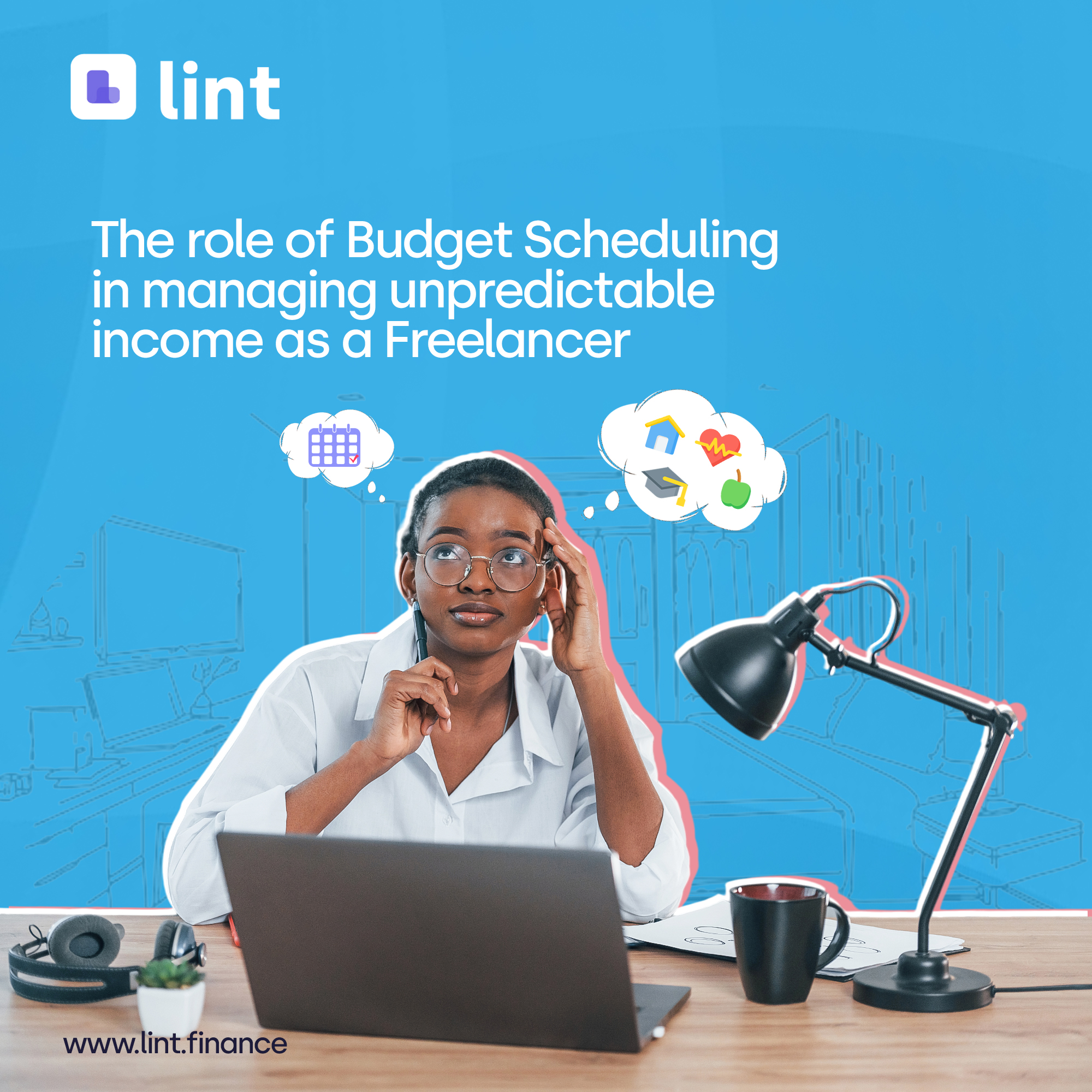
“Managing fluctuating income is one of the most intimidating parts of freelancing, but with the right budgeting strategies, finances can be stabilized”
Is it not great to have a job that lets you choose the roles you want, where you work, and when you work, unlike regular structured employment?
Yeah, that is a whole lot of freedom and autonomy!
And yes, that is what freelancing gives you. As a freelancer you work independently, making decisions on projects, clients, and your schedule. You can pick from diverse projects, pursue multiple income streams at once, and work at your own pace. But this flexibility also comes with some downsides.
Understanding financial management can be one of the most intimidating parts of freelancing because income fluctuates and follows seasonal patterns. Quarterly tax payments add another headache. A freelancer’s income can vary greatly from month to month. The unstructured nature of getting work creates feast-or-famine cycles. These swings cause real stress. They affect both personal and professional life when left unmanaged.
What can a freelancer do to cope?
With the right approach, freelancers can beat these challenges and build a stable financial foundation. Budget scheduling provides a structured way to manage income. It helps freelancers create a safety net during lean periods and understand income patterns so they can plan ahead.
The role of budget scheduling in stabilizing unpredictable income cannot be overstated. Here are some of its impacts on a freelancer’s finances.
Itemization/prioritization
By listing all your income sources, you can prioritize essentials and allocate resources properly. This helps you avoid spending mistakes.
Tracking of income and expenses
A clear record of how money flows in and out is crucial for protecting a freelancer’s finances. Budget scheduling keeps that record current.
Smoothing variable income
Budget scheduling helps freelancers smooth out the peaks and valleys of their income. It makes patterns easier to read, so you can plan for what is coming.
Emergency/buffer preparedness
Good budget planning helps freelancers manage cash flow and build a buffer to ease the pressure during leaner periods.
Tax management
Unlike a salaried employee, a freelancer handles their own taxes. Staying on top of tax obligations is essential for a sustainable freelance career. Effective budget planning makes this achievable.
Risk mitigation
Budget planning keeps a freelancer informed so they can make sound decisions and avoid unnecessary risks. It supports saving and investing wisely ahead of leaner seasons.
Improved decision making/financial discipline
A strict budget gives a freelancer firm control over their income. It also supports sound financial decisions, especially knowing that cash flow will fluctuate.
Retirement planning
Since freelancers have no employer pension to rely on, budget planning helps prioritize spending so that funds can be set aside for saving and investing toward retirement.
Managing irregular income as a freelancer takes careful planning, clear priorities, and adaptability. By bringing budget scheduling into their financial habits, freelancers can handle the challenges of unpredictable income, reduce financial stress, and reach their long-term goals.
At Lint, we handle your scheduling so you can deal with financial uncertainty and build a stable, sustainable freelance career. We help you manage your budgets, track bills, and get clear insights on your multiple income streams. Don’t miss your chance to be part of this. Download Lint’s mobile app now and take the next step toward lasting financial stability!