
Gone are the days of tedious bank transfers and frustrating queues. The way we pay has changed, and virtual payments have become the new norm. However, despite this progress, many people still harbor doubts about using virtual cards and contactless payments.
Fear not! This article aims to dispel your concerns with a clear guide to virtual cards. With the right knowledge, you’ll be able to navigate virtual payments with confidence.
Table of Contents
- What is A Virtual Card?
- Virtual Cards Vs Physical Cards
- How do Virtual Cards Work?
- Benefits of Using Virtual Cards for Transactions
- Instances Where Virtual Cards Don’t Work
- Experience the Power of Unlimited Contactless Payment through LINT VIRTUAL CARD
- Conclusion
Quick Notes
- Virtual cards can be used to make purchases online, in-person, or over the phone.
- Virtual cards are not to be mistaken with digital cards, which are a separate type of card. Digital cards are commonly associated with Apple Pay and other mobile wallets.
What is A Virtual Card?
A virtual card is a digital version of a physical credit or debit card that lets you make online payments. It works just like your physical card, but exists only in digital form.
With security breaches popping up in the news, opting for a virtual card gives you an extra layer of protection. They can be debit cards, credit cards, or prepaid cards.
Virtual Cards Vs Physical Cards
One of the most notable features of virtual cards, compared to physical cards, is how easy they are to create and delete. This gives users greater control over their spending. Virtual cards also support spending limits, custom expiration dates, and cardholder name settings, all of which help people manage their finances and reduce fraud risk.
A virtual card also differs from a physical card in how it handles security. Virtual cards can generate a unique card number for each transaction. They are typically single-use, so even if a merchant suffers a data breach and your card number is exposed, your actual account remains protected.
How Do Virtual Cards Work?
Virtual cards work similarly to physical cards, but with added security and convenience. When you create a virtual card, you receive a unique card number, expiration date, and security code. This information is stored securely on your mobile device or online account, so you can pay with ease.
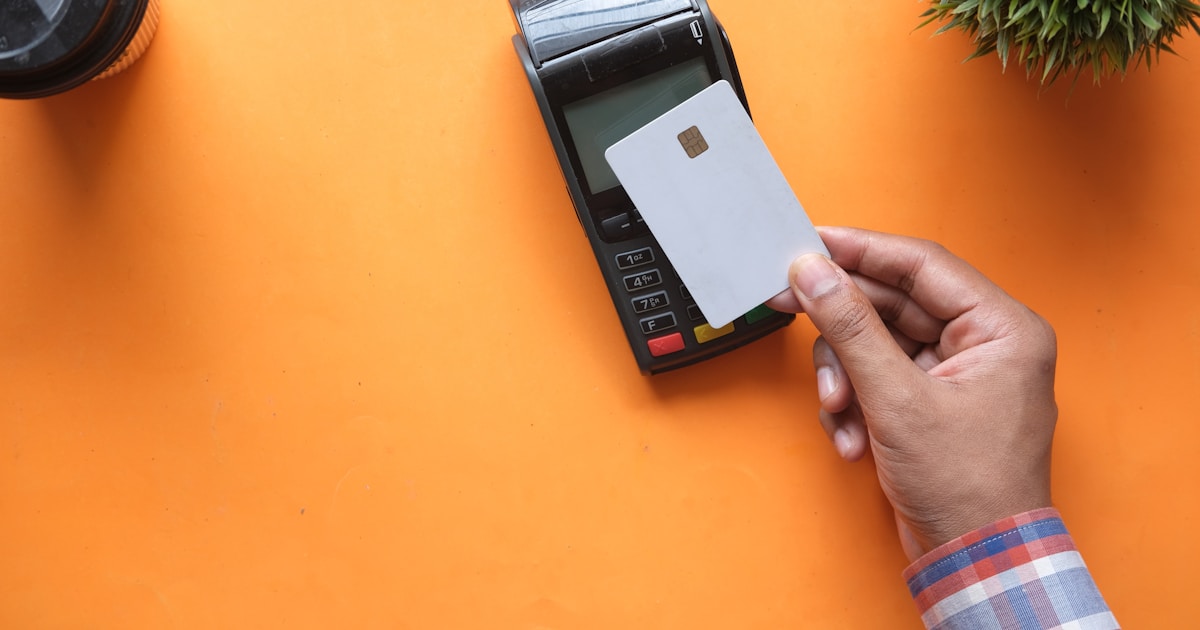
- Tap-to-Pay: Virtual cards support tap-to-pay transactions, removing the need for a physical card or cash.
- In-App Payments: Virtual cards make in-app payments straightforward.
- Recurring Payments: Virtual cards simplify recurring payments, such as subscription services, by storing payment information securely.
Benefits of Using Virtual Cards for Transactions
Virtual cards offer a wide range of benefits, making them a popular choice for online and mobile transactions. Some of the main benefits include:
- Flexibility: Virtual cards let you set a time limit, after which they expire. This is useful if you only want a card active for a set period. Some also offer spending limits to help you stick to a budget.
- Better security: Virtual cards help conceal your financial information when shopping online, keeping you safer than if you used your physical credit card.
- Easy access: Virtual cards can be tracked and managed through digital platforms, helping users stay on top of costs and manage their finances. This is especially useful for businesses, which can use virtual card apps to track employee spending and manage company expenses.
Instances Where Virtual Cards Don’t Work
Despite the rise of virtual cards, there are situations where they might not be the best option. Keep in mind that as virtual cards gain traction, these limitations may disappear.
- Can’t always use them at a store. If you’re shopping in store, you won’t be able to use your virtual card unless the point-of-sale system accepts digital wallet checkout options.
- Makes reservations challenging. If you use a virtual card to book a hotel room, it may be hard to reconcile your payment method when you check in. Most hotels request a physical card on arrival, so using a virtual card may require extra steps, such as calling your bank.
- Not all card issuers offer them. Virtual cards haven’t fully rolled out across all major card brands, which means your favourite credit card might not offer this feature.
- ATM withdrawals: virtual cards can’t be used to withdraw cash from an ATM.
Experience the Power of Unlimited Contactless Payment through LINT VIRTUAL CARD
Now that you know the basics of virtual cards, here is how LINT’s virtual cards work in practice. With the LINT’s app, you can access and manage your virtual card easily. LINT’s virtual cards are simple to use, customizable, and work for both online transactions and in-store purchases. To get started, log in to your LINT account, request a virtual card, generate it, customize its settings, add your funding options, and start making online purchases.
Conclusion
Virtual cards are changing the way we pay. This digital payment method offers real benefits: greater convenience, stronger security, and easier expense tracking. Users can set spending limits and expiration dates, and monitor transactions with ease. As a flexible cashless option, virtual cards can be used across many industries, helping both individuals and businesses manage their finances more effectively.